The Ultimate Protein Guide: What to Eat, When to Eat It, and Why It Matters
The Ultimate Protein Guide: What to Eat, When to Eat It, and Why It Matters
By One Playground
When it comes to macros, protein often steals the spotlight. Whether your goal is fat loss, muscle gain or improved performance, protein plays an essential role.
However, navigating the sea of advice about how much to eat, when to eat it, and where to get it can feel overwhelming. In this handy protein guide, Coach Emma is here to simplify the essentials to help you understand and optimise your protein intake.
What is Protein and Why Is It Important?
Protein is one of the three primary macronutrients, alongside carbohydrates and fats. It is made up of amino acids, often referred to as the building blocks of muscles, tissues, and other body structures.
Protein’s key benefits include:
- Muscle repair and growth
- Production of hormones and enzymes
- Healthy skin, hair and nails
- Prolonged satiety (keeping you fuller for longer)
- Support for metabolism
Protein is key for both performance and recovery, particularly for muscle protein synthesis (MPS). This process involves breaking dietary protein into amino acids, which are then transported to muscle cells to build and repair muscle tissue.
Several factors influence the rate of MPS, including age, gender, nutrition, exercise and hormones. For individuals aiming to build strength, recover effectively, or stay lean, supporting MPS should be a priority.
How Much Protein Do I Need?
The recommended daily intake (RDI) for protein is around 0.8g per kilogram of body weight. However, this is the bare minimum to prevent deficiency, not optimal.
For those who are physically active or aiming to reach specific goals, a more realistic target is 1.5 to 2.0 grams of protein per kilogram of body weight.
For example, a 70kg woman would aim for 105-140g of protein per day depending on her activity levels and goals.
This may seem like a lot, but once spread across meals and snacks, it is very achievable.
Alternatively, without directly tracking, an easy way to visually look at your protein intake per meal is:
- 1-1.5 palm-sized portions for females
- 1.5-2 palm-sized portions for males
What Are the Best Sources of Protein?
Animal-Based Proteins
Animal proteins are “complete,” meaning they contain all nine essential amino acids that your body cannot produce on its own. These amino acids are crucial for repairing tissues and supporting overall health.
Sources of animal protein include
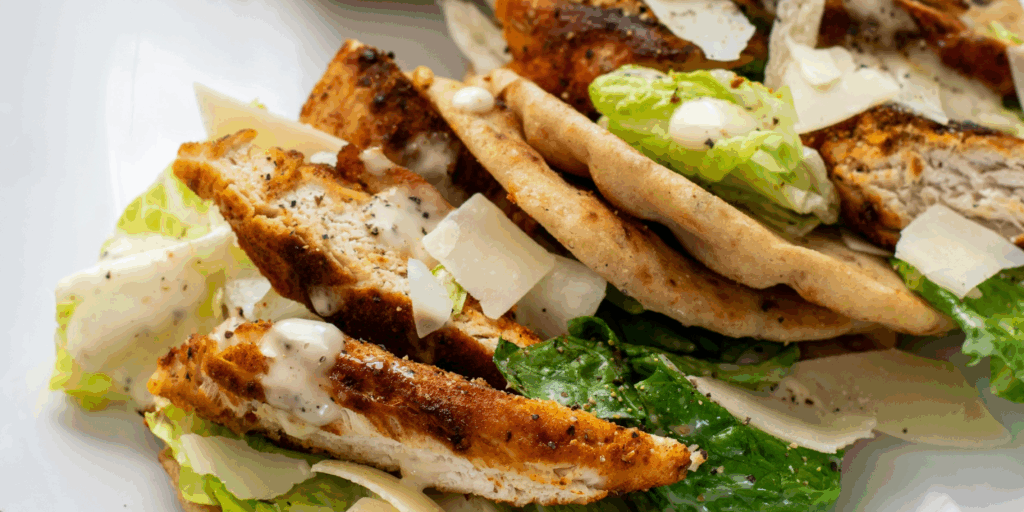
- Chicken
- Beef
- Fish
- Eggs
- Greek yogurt
- Whey protein powder
Plant-Based Proteins
Plant-based options, while valuable, are typically considered “incomplete” because they don’t naturally provide all nine essential amino acids. For those following vegan or vegetarian diets, combining different plant-based proteins can help create a complete amino acid profile.
Sources of plant-based protein
- Lentils
- Chickpeas
- Nuts and seeds
- Pea protein powders
Pairing Plant Proteins
To achieve the benefits of a complete protein, pair complementary plant-based options, such as:
- Rice + beans
- Oats + peanut butter
- Quinoa + vegetables
- Tofu + rice
Top Tips for Eating Enough Protein
1. Distribute Protein Throughout the Day
Spreading protein intake across multiple meals is easier on your digestion and ensures your body has a steady supply for muscle repair and other functions. Don’t wait until dinner to realise you need a massive serving – you won’t enjoy eating it, and your body won’t absorb it efficiently.
2. Utilise Supplements Strategically
Struggling to incorporate protein into breakfast? Add protein powder to oatmeal, milk, or smoothies. For instance, pouring high-protein milk on cereal is an easy way to boost intake.
3. Plan Meals Centred on a Protein Source
Design meal prep around a primary protein, such as chicken breast or tofu, and build the rest of your dish, vegetables, grains, or fats, around it.
4. Choose Higher-Protein Alternatives
Opt for foods with naturally higher protein content, like Greek yogurt instead of regular yogurt, or chickpea pasta instead of wheat-based pasta.
Can I Rely On Protein Powders?
Protein powders are helpful for busy lifestyles or post-workout recovery. They are an effective way to hit your protein target when whole food isn’t an immediate option. However, they should complement, not replace, whole foods in your diet. Whole foods provide essential nutrients like vitamins, minerals, and fibre that supplements lack.
When Should I Consume Protein?
Protein timing isn’t vital, but it does help, especially if you’re active.
Spread your protein across the day, it will be easier to digest if spread throughout your meals and also keep you feeling fuller for longer. Prioritise protein after training to kickstart the recovery process, ideally 60-90 minutes post-training.
The concept of the “anabolic window,” or needing to consume protein immediately after a workout, is largely a myth. Instead, focus on having balanced meals throughout the day to consistently fuel muscle growth and recovery.
Can I Eat Too Much Protein?
While dietary protein is highly valuable, more is not always better. Consuming excess amounts (beyond 2.2 grams per kilogram of body weight) has few additional benefits and may simply result in the excess being excreted.
Studies have shown that up to 100g of protein can be digested at once. However, I wouldn’t recommend this as it’s harder for your body to digest and utilise efficiently.
Protein isn’t just for bodybuilders
Protein is essential for everyone! If you want to feel strong, recover well, manage your appetite, and support your goals (whether that’s performance or fat loss), eating enough protein is a non-negotiable. As we age, muscle protein synthesis slows down, and therefore, it is vital to consume adequate protein to maintain muscle mass for everyday movement.
By understanding how much protein your body needs and where to get it, you can make smarter choices that support your daily energy, fitness goals, and long-term health.
Looking for more personalised support with your nutrition and protein intake?
More Articles

What is Progressive Overload? And Why It’s the Key to Seeing Real Results
If you’ve ever put in consistent effort into your gym sessions and still felt like you were going nowhere, progressive overload might be the missing piece. It’s not complicated, but once you understand this fundamental...
Yoga Classes for Strength vs Flexibility: Find Your Ideal Practice
Not yoga is created equal. While some yoga classes are designed to build strength, endurance and stability, others focus on deep stretching and mobility training.
Spin Class vs Running: Which Cardio Is Better for Your Body?
When it comes to cardio workouts, running is often the first thing that comes to mind. It’s simple, accessible and effective. But in recent years, spin class training and indoor cycling have become one of the most...