
Race-Ready in 4 Weeks: Your Complete City2Surf Training Plan
Race-Ready in 4 Weeks: Your Complete City2Surf Training Plan
By One Playground
City2Surf is no ordinary run. With its iconic 14km route and the infamous Heartbreak Hill, it’s a race that challenges even seasoned runners. But don’t worry, with the right City2Surf training plan and preparation, you’ll cross that finish line on Bondi Beach feeling strong and accomplished.
We caught up with Jen, Coach at One Playground and leader of our Darling Harbour One Run Club, to give you a complete City2Surf training plan that breaks down how to get ready for the race over the next four weeks, including training tips, tapering advice, fuelling strategies, and post-race recovery. Whether it’s your first time running the race or looking to set a personal best, Jen’s got you covered!
Your City2Surf Training Plan
Weeks 1–3: Building the Foundations
The next three weeks are all about getting your body and mind race-ready.
City2Surf’s diverse route features significant elevation changes, with Heartbreak Hill demanding strength and stamina early in the race. In order to prep your body for these challenges, a focused training plan is essential.
1. Introduce Hill Training
To take on Heartbreak Hill like a pro, hill training is non-negotiable. Hills are excellent for building both strength and endurance. Aim for 2-3 hill training sessions between now and the race to ensure your muscles are ready for the climbing and descending.
- Baseline Hill Repeats: Run uphill for 1–2 minutes at around 7–8 RPE (rate of perceived exertion), jog or walk back down for recovery, and repeat for a total of 6–8 reps.
- Rolling Hills: Find a route with smaller hills and focus on maintaining a steady, controlled pace. Keep your heart rate in a moderate zone to build endurance without burning out.
2. Gradually Build Endurance
Include one long, steady-state run per week. Start at a comfortable pace and gradually increase the distance. This run is crucial for simulating race conditions and building aerobic capacity.
If you’re running less than 10km currently, gradually increase your long runs each week.
For example:
- Week 1: 8km
- Week 2: 10km
- Week 3: 12km
Your long run should simulate race day pacing to help prepare your body for the energy demands of the event.
3. Include Speed Work
City2Surf has relatively flat stretches, especially toward Bondi Beach. Speed workouts will help you capitalise on these sections, improving your pace and conserving energy for the hills.
Try intervals such as:
- 800m repeats at a fast pace with 60 seconds of rest in between.
- Fartlek running, alternating between fast and slow intervals during your regular runs.
4. Don’t Forget About Low-Intensity Recovery Runs
Not all runs need to be intense. Schedule 1–2 shorter, easy-paced runs each week (around RPE 3–4). These runs promote recovery by increasing blood flow to tired muscles without overloading your body.
Weekly Schedule Example
Week 4: Tapering for Optimal Race-Day Performance
Less is more in the week leading up to the race. Tapering allows your body to absorb the hard work you’ve put in as well as ensuring you show up on race day fully rested. How to taper your routine:
1. Cut Back on Volume
Reduce both your run frequency and intensity. Drop your hill running sessions and focus on shorter, easier runs. For strength work, scale back to lighter weights or fewer sets, keeping the intensity no higher than an RPE of 3–4.
2. Perform a Shakeout Run
The day before the race, go for a 20–30 minute “shakeout” run. Keep the pace light and easy. This helps to loosen up your muscles and get you feeling sharp without overdoing it.
Tips for Fueling on Race Day
Your strategy for fueling on race day should follow the golden rule of racing: Nothing New on Race Day! Stick to the nutrition plan you’ve practised during your training runs to avoid surprises.
Pre-Race Fuel
Aim for a small meal rich in carbohydrates 2-3 hours before the start.
For example:
- Toast with peanut butter and a banana.
- Oatmeal with honey and a sprinkle of berries.
Hydrate with water or an electrolyte drink, but don’t overdo it right before the race to avoid bathroom stops mid-run.
During the Race
For a 14km race like City2Surf, eating mid-run might not be necessary unless it’s a particularly hot day or you’re running at a slower pace. If you do, consider gels or chews, but remember to test them during training.
Post-Race Recovery
Crossing the finish line on Bondi Beach is an incredible feeling, and rushing off to celebrate is tempting. But taking care of your body immediately after the race will speed up recovery and ensure you can truly enjoy the post-race buzz.
1. Rehydrate and Replenish
Spend 30 minutes post-race rehydrating with water or an electrolyte drink. Snack on something with a mix of carbs and protein, like a smoothie or a protein bar, to kickstart muscle recovery.
2. Stretch and Cool Down
Before the Bondi Beach festivities, take 10 minutes to do gentle stretches on the grass or sand. Focus on your quads, hamstrings, and calves.
3. Take an Easy Post-Race Week
- Light activities like cycling or yoga can help your body recover from the high impact of the race.
- Drop weights to an RPE of 3-4 and focus on mobility work.
- Give your body the rest it deserves before picking up the intensity again.
Time to Get Your Running Shoes On
Training for the race is no easy feat, but the effort is worth it the moment you reach Bondi’s stunning finish line. With just four weeks of focused preparation and this City2Surf training plan, you’ll be ready to conquer the hills, race past the iconic Sydney scenery, and soak in the atmosphere of one of the world’s best runs.
Need help with your fitness goals? Jen is on hand to support you. Whether it’s hill intervals or recovery mobility work, we’ve got you covered.
More Articles
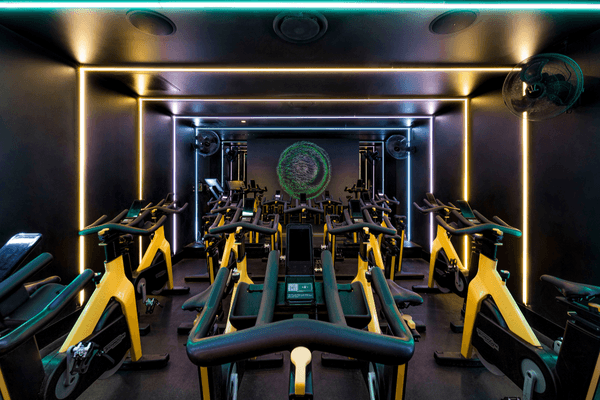
Spin Classes for Beginners: What to Expect in Your First Ride
New to indoor cycling? Discover what to expect in your first spin class, from bike setup and gear tips to workout structure.

Finding Your Flow: How Often Should You Do Yoga If You Train at the Gym?
Discover how to integrate yoga into your gym routine to improve mobility, accelerate recovery, and boost performance
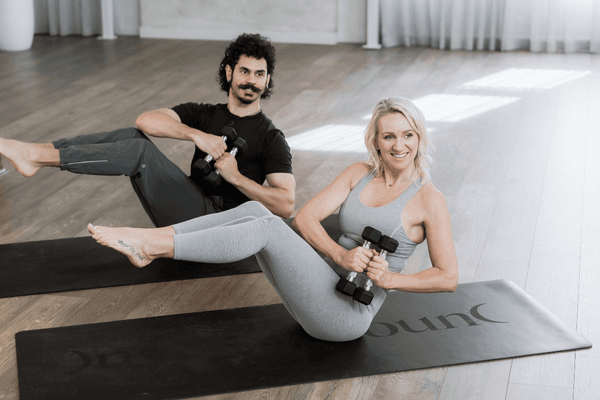
Pilates for Lower Back Pain and Tight Hips: What to Expect
Discover how Reformer Pilates improves spinal health, core stability, and hip mobility to relieve lower back pain.