
Pulled a Muscle? How to Speed Up Muscle Strain Recovery
Pulled a Muscle? How to Speed Up Muscle Strain Recovery
By One Playground
A muscle strain, otherwise known as a "pulled muscle", is a common injury seen in professional and recreational athletes alike, as well as people who've simply moved the wrong way during daily tasks.
We caught up with Tom Cartwright (BSc M.Chiro), a North Sydney-based chiropractor and physical therapist, who explains what a muscle strain is, how to recognise one, the typical recovery timeline, and evidence-based techniques to help you return to normal function faster.
What is a Muscle Strain (Pulled Muscle)?
Muscle strains occur when muscle fibres are stretched beyond their normal capacity. This overstretching can cause small micro-tears or, with more severe injuries, a partial or complete tear of the muscle. A pulled muscle injury often happens during sudden, unguarded, or powerful movements. Think sprinting, lifting something heavy, or changing direction quickly.
How is a muscle strain diagnosed?
Healthcare providers classify muscle sprains and strains into three grades:
Grade I (Mild): Small micro-tears in the muscle fibres. The muscle is slightly overstretched and sore but still functional, and typically gets better on its own.
Grade II (Moderate): A higher number of torn muscle fibres. Movement becomes difficult due to noticeable pain, swelling, and reduced strength.
Grade III (Severe): A rupture or complete muscle tear. This often causes significant pain at the moment of injury, along with swelling, bruising, and complete loss of function.
What are the Symptoms of a Muscle Strain?
- Sharp pain at the moment of injury: For a moderate or mild strain, you may feel a sudden "pull," "snap," or "twinge".
- Pain during movement: Anything that involves injured muscle contraction or stretching will likely be painful.
- Muscle tightness or spasms: Muscles often tighten reflexively to protect the injured tissue.
- Swelling or inflammation: Fluid accumulates around the injury in the first 24–72 hours.
- Bruising: In moderate or severe strains, blood vessels may also be damaged.
- Muscle weakness: Reduced muscle strength that can make the area feel "weak" or unable to perform tasks.
- Reduced range of motion: Tightness, pain, and swelling all contribute to limited mobility.
How Long Does a Pulled Muscle Take to Recover?
- Grade I (mild strain): 1–2 weeks
- Grade II (moderate strain): 3–6 weeks
- Grade III (severe strain or rupture): 2–3 months, sometimes longer
What can I do to speed up muscle strain recovery?
- Endure the inflammation (at first): Do not take ibuprofen or other NSAIDs for 48-72 hours after pulling a muscle. The affected area needs to experience some inflammation in order to properly heal.
- Embrace the cold: Cold compression therapy reduces the size of your blood vessels, bringing welcome pain relief. Apply a towel-wrapped ice pack every 2-3 hours for a maximum of 20 minutes per session.
- Delay applying heat: After a few days, you can apply a heat pack to increase blood flow and relieve muscle pain.
- Drink water: Staying well-hydrated helps flush out toxins. Aim for 6-8 glasses per day.
- Eat protein: Getting in 1.2 to 2 grams of protein per kilo of body weight per day provides the essential amino acids needed for muscle tissue repair.
- Sleep well: Try to sleep for at least 7-9 hours every night. Deep sleep is essential for muscle recovery.
Conclusion
A pulled muscle is both painful and pretty damn inconvenient. With the right approach, most strains heal well and fairly fast. The combination of early gentle care, healthy habits, strategic hands-on therapy, progressive exercise, and advanced treatments like red light therapy can dramatically shorten recovery time and improve long-term outcomes.
More Articles
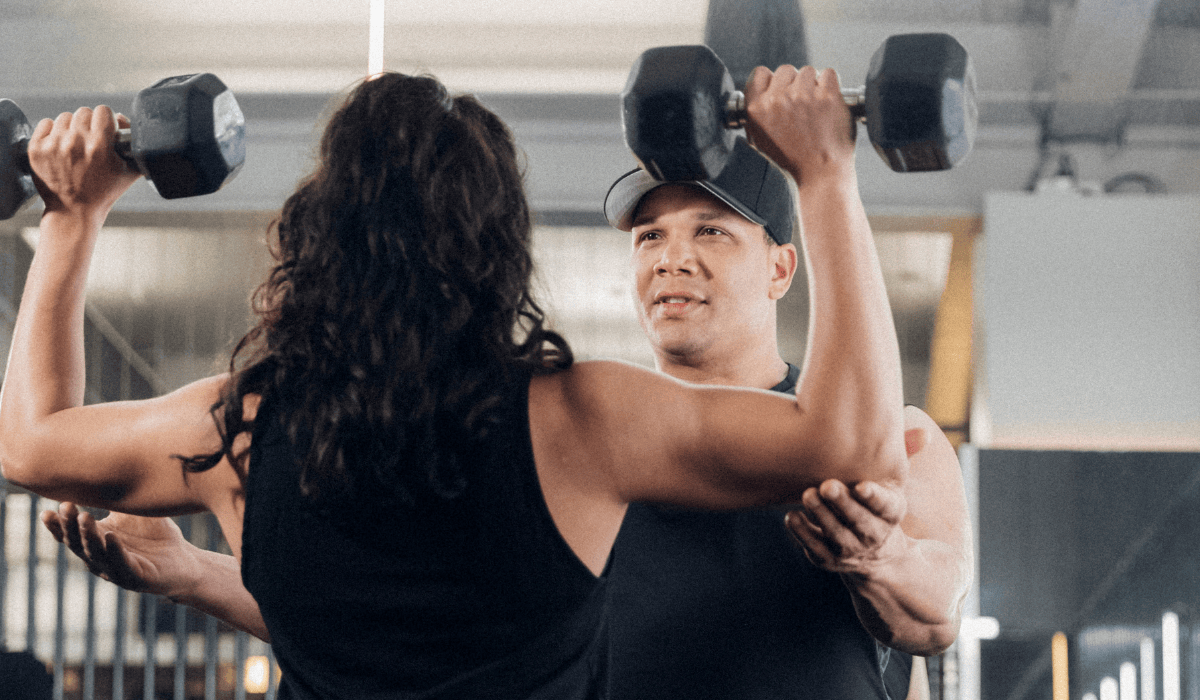
What is Progressive Overload? And Why It’s the Key to Seeing Real Results
If you’ve ever put in consistent effort into your gym sessions and still felt like you were going nowhere, progressive overload might be the missing piece. It’s not complicated, but once you understand this fundamental...
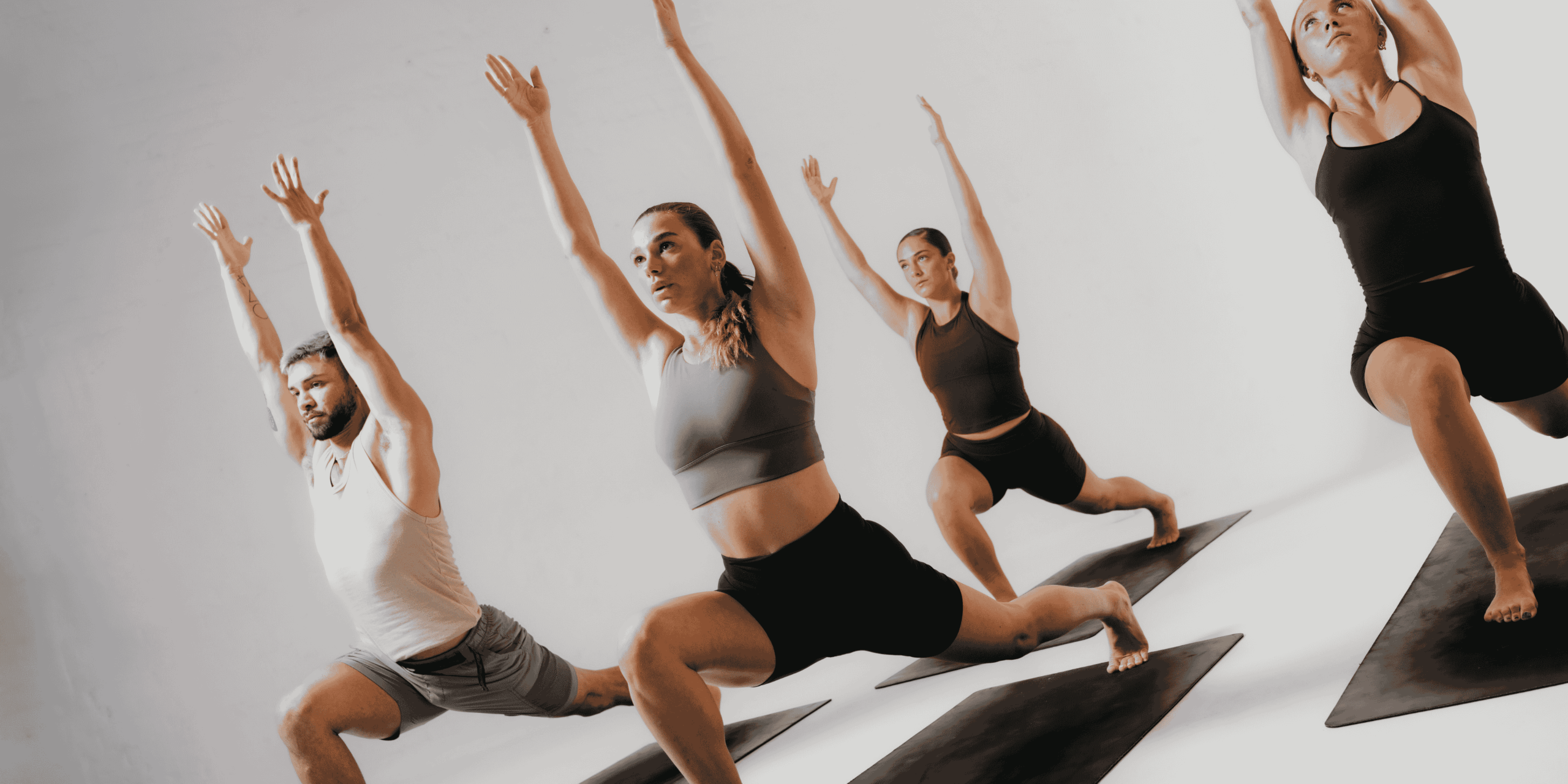
Yoga Classes for Strength vs Flexibility: Find Your Ideal Practice
Not yoga is created equal. While some yoga classes are designed to build strength, endurance and stability, others focus on deep stretching and mobility training.
Spin Class vs Running: Which Cardio Is Better for Your Body?
When it comes to cardio workouts, running is often the first thing that comes to mind. It’s simple, accessible and effective. But in recent years, spin class training and indoor cycling have become one of the most...