The Benefits of Low-Impact Training and Who It's For
The Benefits of Low-Impact Training and Who It's For
By One Playground
Exercise doesn't have to mean punishing your body with high-impact movements to be effective. In fact, some of the most beneficial workouts are gentle on your joints. Low-impact training is a powerful approach that builds strength, improves cardiovascular health, and enhances flexibility without the jarring stress of high-impact activities.
What is Low-Impact Training?
Low-impact training refers to physical activity that minimises the force and shock that travels through your joints, particularly your ankles, knees, and hips. Unlike high-impact exercises such as running, jumping jacks, or HIIT, low-impact workouts provide a steady, controlled movement.
Low-Impact Workouts to Try
- Swimming and Water Aerobics: The buoyancy of water supports your body weight, removing almost all impact from your joints. It provides a full-body workout that builds both strength and cardiovascular endurance.
- Cycling (Indoor or Outdoor): Cycling is a fantastic cardio exercise that is easy on the knees and ankles.
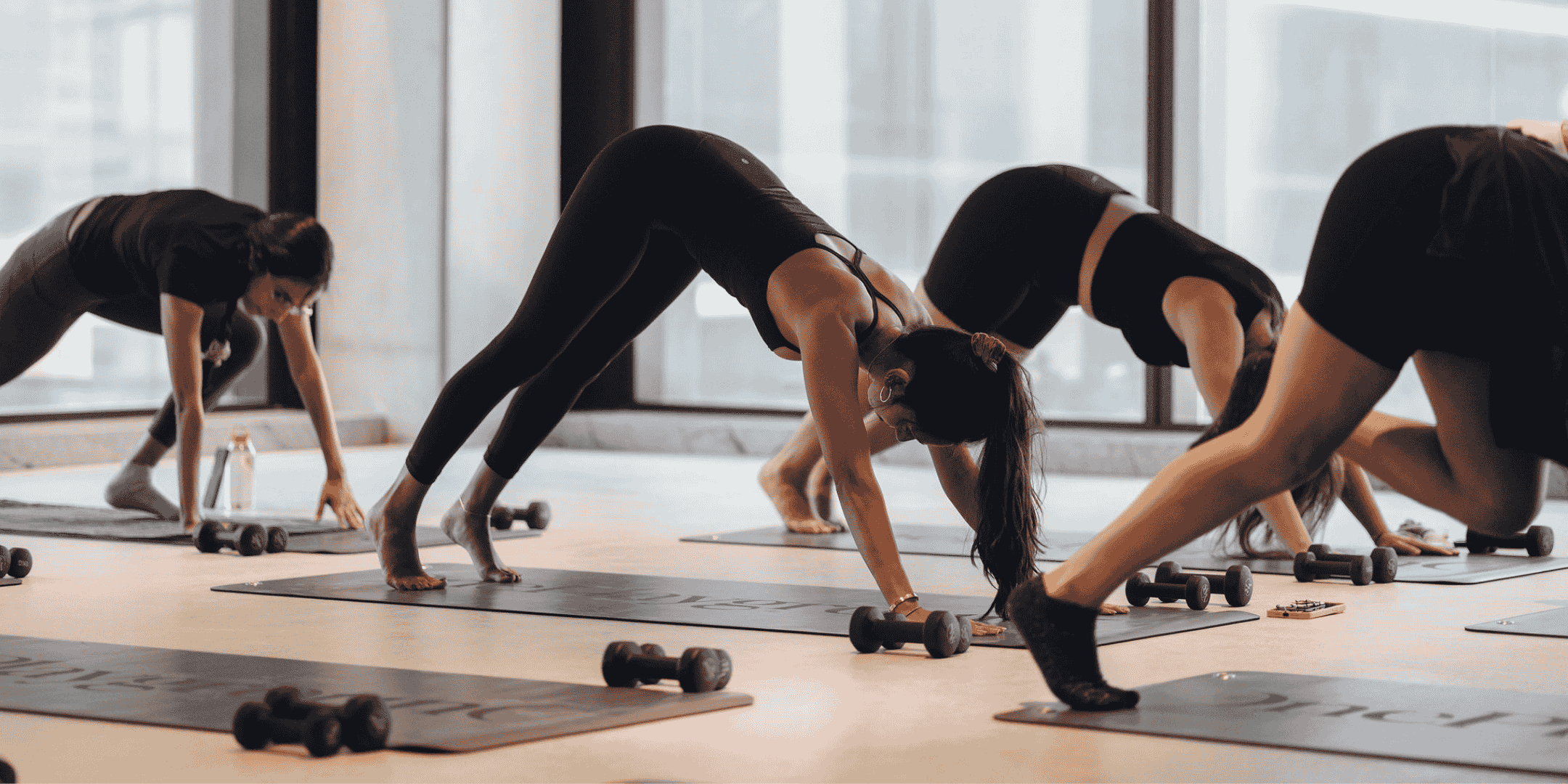
- Yoga: Reformer offers gentle movements and poses that improve flexibility, strength, and balance.
- Pilates: Reformer and Mat Pilates focuses on controlled movements that enhance core stability, posture, and mobility.
- Walking: Never underestimate the power of walking. It's free, accessible, and can be adjusted to any fitness level.
5 Key Benefits of Low-Impact Workouts
1. Reduces Risk of Injury
High-impact movements can place significant stress on your joints, muscles, and connective tissues, which can lead to common injuries such as stress fractures, shin splints, and joint pain. Low-impact exercise dramatically lowers this risk, allowing for more consistent training.
2. Improves Joint Health and Mobility
Low-impact activities like swimming or cycling encourage the circulation of synovial fluid, which lubricates your joints and delivers essential nutrients to the cartilage. This helps maintain joint mobility, reduces stiffness, and can alleviate symptoms of arthritis.
3. Accessible for All Fitness Levels
Low-impact training is remarkably inclusive. A beginner can start with a simple walk or a gentle yoga class, while an advanced athlete can engage in a strenuous session on an indoor bike or a long-distance swim.
4. Supports Effective Weight Management
Activities like brisk walking, cycling, and using the elliptical can burn a significant number of calories. Since these workouts are easier on the body, you may be able to exercise for longer periods, increasing your total calorie expenditure.
5. Enhances Cardiovascular Fitness
Many low-impact workouts provide an excellent cardiovascular challenge. Swimming, rowing, and cycling all demand a high level of oxygen consumption, which strengthens your heart and lungs.
Who Benefits Most from Low-Impact Training?
While low-impact exercise is great for everyone, certain groups may find it particularly advantageous: beginners to fitness, individuals recovering from injuries, seniors and older adults, pregnant individuals, and people with chronic conditions like arthritis or osteoporosis.
Low-impact training is a smart, sustainable, and effective way to achieve your health and fitness goals. By being kind to your joints, you can build a strong, resilient body that will support you for years to come.
More Articles
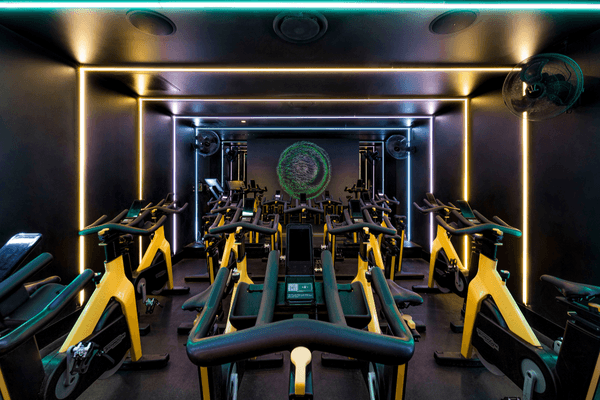
Spin Classes for Beginners: What to Expect in Your First Ride
New to indoor cycling? Discover what to expect in your first spin class, from bike setup and gear tips to workout structure.
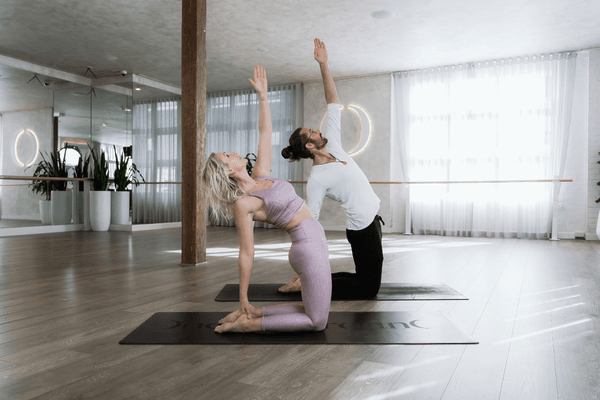
Finding Your Flow: How Often Should You Do Yoga If You Train at the Gym?
Discover how to integrate yoga into your gym routine to improve mobility, accelerate recovery, and boost performance
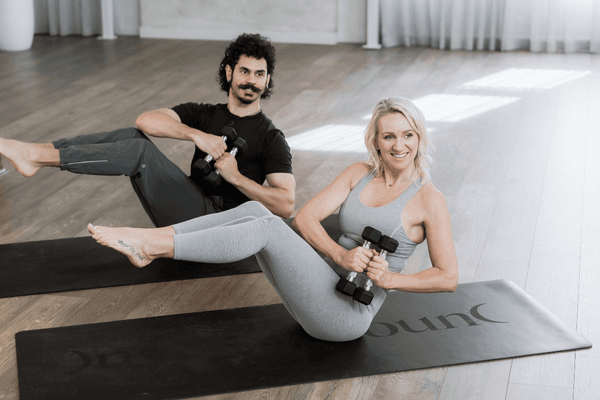
Pilates for Lower Back Pain and Tight Hips: What to Expect
Discover how Reformer Pilates improves spinal health, core stability, and hip mobility to relieve lower back pain.