The Art of Active Recovery: How to Stay Fit Without Burnout
The Art of Active Recovery: How to Stay Fit Without Burnout
By One Playground
What if rest days didn't mean doing nothing at all?
For many gym-goers, rest days feel like a step backwards. But what if recovery itself could help you stay fitter, move better, and avoid burnout? That's where active recovery comes in.
What Is Active Recovery?
Active recovery refers to low intensity exercise performed on rest days or between hard training sessions. Instead of pushing your limits, the goal is gentle movement that promotes circulation without adding extra stress to the body.
Common active recovery exercises include:
- Walking or other forms of low impact cardio
- Light cycling or swimming
- Mobility exercises and flexibility exercises
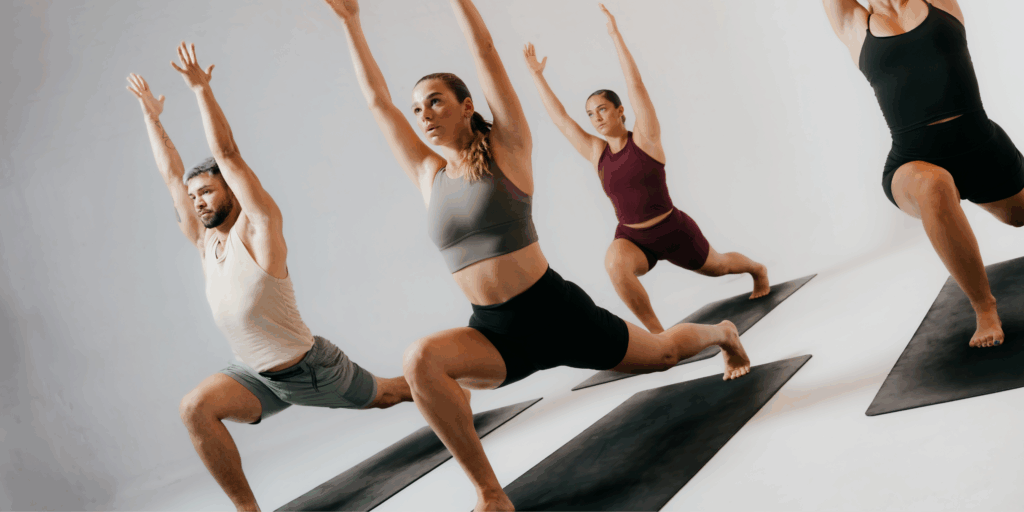
- Yoga for recovery or Pilates for recovery
Active Recovery vs Rest Day: Which Is Better?
Benefits of Active Recovery
- Increases blood flow, supporting nutrient delivery and waste removal
- Reduces stiffness and delayed onset muscle soreness
- Improves mood and mental clarity
- Maintains movement patterns and flexibility
Benefits of Complete Rest
- Allows deeper recovery when fatigue is high
- Essential during illness, injury, or extreme soreness
- Supports nervous system recovery
How to Do Active Recovery Right
Try these recovery day exercises:
- A 30-minute walk or light swim
- A mobility or stretching session focused on tight areas
- Yoga or Reformer Pilates for controlled movement and alignment
- Easy cycling or rowing at a conversational pace
Support recovery further by staying hydrated, fueling with enough protein and carbohydrates, prioritising sleep, and adding heat therapy such as an infrared or traditional sauna for recovery.
The Mindset Shift: Learning to Value Slow Days
One of the biggest challenges with recovery isn't physical, it's mental. Elite athletes know that progress comes from balance. They embrace active recovery as a tool for longevity, not a sign of weakness. When you start treating recovery with the same respect as training, consistency improves, injuries decrease, and motivation lasts longer. Slow days aren't lost days; they're what make the hard days possible.
More Articles
What is Progressive Overload? And Why It’s the Key to Seeing Real Results
If you’ve ever put in consistent effort into your gym sessions and still felt like you were going nowhere, progressive overload might be the missing piece. It’s not complicated, but once you understand this fundamental...
Yoga Classes for Strength vs Flexibility: Find Your Ideal Practice
Not yoga is created equal. While some yoga classes are designed to build strength, endurance and stability, others focus on deep stretching and mobility training.
Spin Class vs Running: Which Cardio Is Better for Your Body?
When it comes to cardio workouts, running is often the first thing that comes to mind. It’s simple, accessible and effective. But in recent years, spin class training and indoor cycling have become one of the most...